 Sportbet.one
  EveryGame
  Bovada
  MyNitro
  Betcoin.ag
  BetUS
BetUS 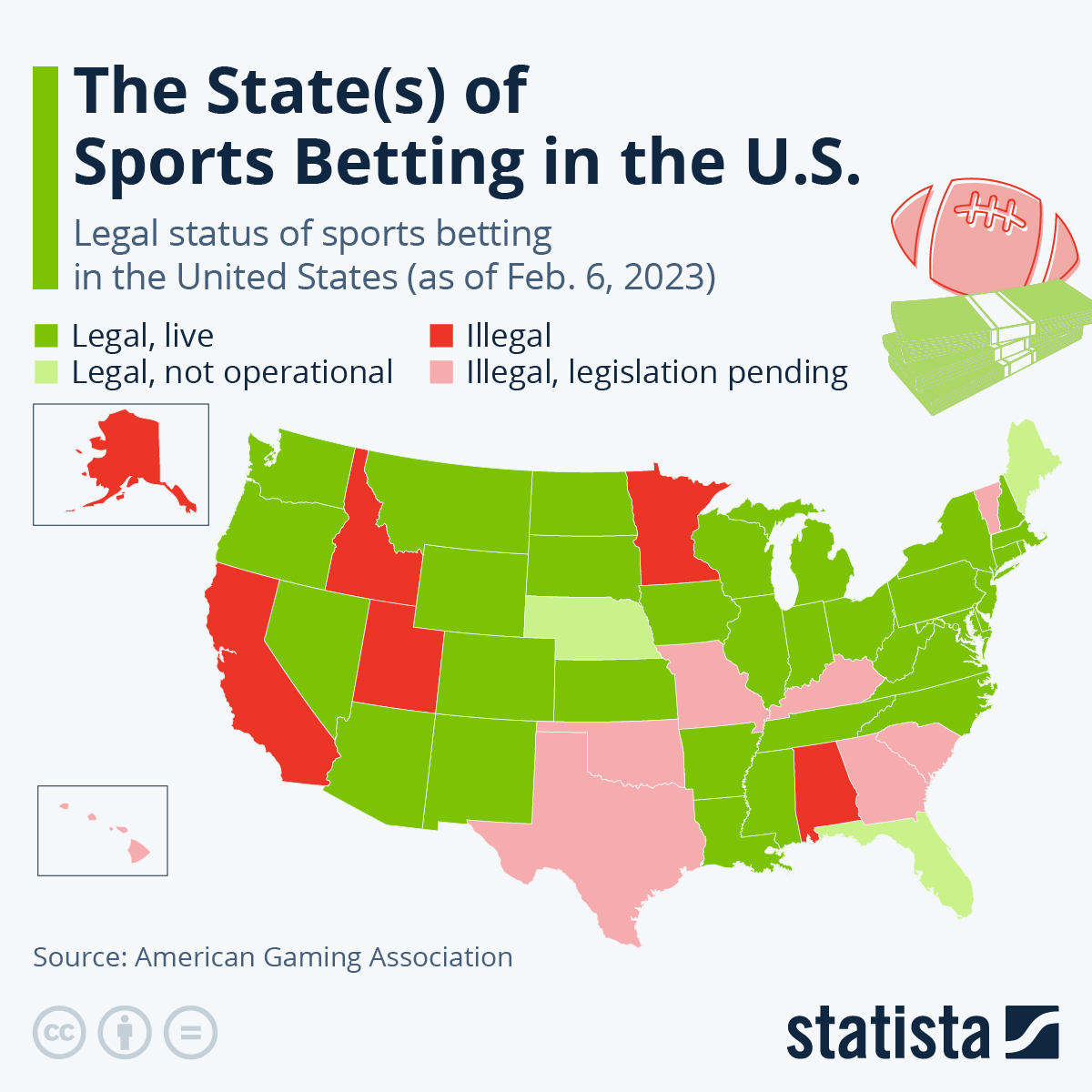
If you’re a bettor in the Badger State, you know the drill. You want to get a unit down on the Bucks or the Packers, but instead of hitting "place bet" from your couch, you’re forced to treat a trip to a tribal casino like a religious pilgrimage. Meanwhile, over in Illinois, they’re hammering the over/under while waiting for their deep dish.
Wisconsin’s attempt to drag its betting laws into the 21st century is currently stuck in a political version of a double-overtime review. A bipartisan bill to legalize online sports betting is hitting the Senate floor this week, but don’t start counting your winnings just yet.
The Players on the Field
The bill, backed by a mix of Republicans and Democrats, aims to let Wisconsin’s tribes run the show. The logic is simple: sports betting is already happening (hello, offshore books and "prediction markets" like Polymarket). Why not let the local tribes... who already run the physical books... take a slice of the digital pie?
The supporters are a "who’s who" of Wisconsin power players: the Milwaukee Brewers, the Tavern League, and major tribes like the Ho-Chunk Nation. They want the revenue staying in-state to fund tribal services and local tourism rather than vanishing into the ether of a Cayman Islands server.
The DraftKings & FanDuel "Problem"
Here is where it gets spicy. You’d think the big boys like DraftKings and FanDuel would be salivating at the chance to enter Wisconsin. Instead, they’re lobbying against the bill.
Why? Because the bill is designed around tribal sovereignty. Under federal law, a massive 60% of gross gaming revenue from tribal operations stays with the tribes. The "Big Books" looked at the math and decided the profit margins in Wisconsin weren't worth the squeeze under those terms. They’re essentially holding out for a constitutional amendment that would give them a bigger piece of the action. It’s a classic corporate standoff: if they can’t own the house, they’d rather nobody plays at all.
Why Your Parlay is on Ice
Governor Tony Evers is playing the "cautious teammate" role. He’s signaled he won’t sign anything unless all 11 tribes are on board, and right now, a few are still sitting on the sidelines. Plus, Senate Republicans are split like a bad locker room. Some are worried about the optics of "expanding gambling," while others are concerned about the constitutional gymnastics required to make mobile betting legal without a full statewide referendum.
The Punter’s Takeaway
For the average Joe, this is a frustrating "bad beat."
-
The Reality: On-site betting at places like the Potawatomi is legal, but "mobile" currently means walking to a specific kiosk.
-
The Workaround: Many Wisconsinites are flocking to prediction markets like Kalshi, which dodge the "gambling" label by pretending to be "commodity trading."
-
The Outlook: If this bill dies, expect another year of geo-fencing headaches. If it passes, you might finally be able to hedge your bets from your own barstool—provided the "Big Books" don't find a way to litigate it into oblivion first.
For now thoug... keep your gas tank full. That drive to the casino isn’t going away anytime soon.